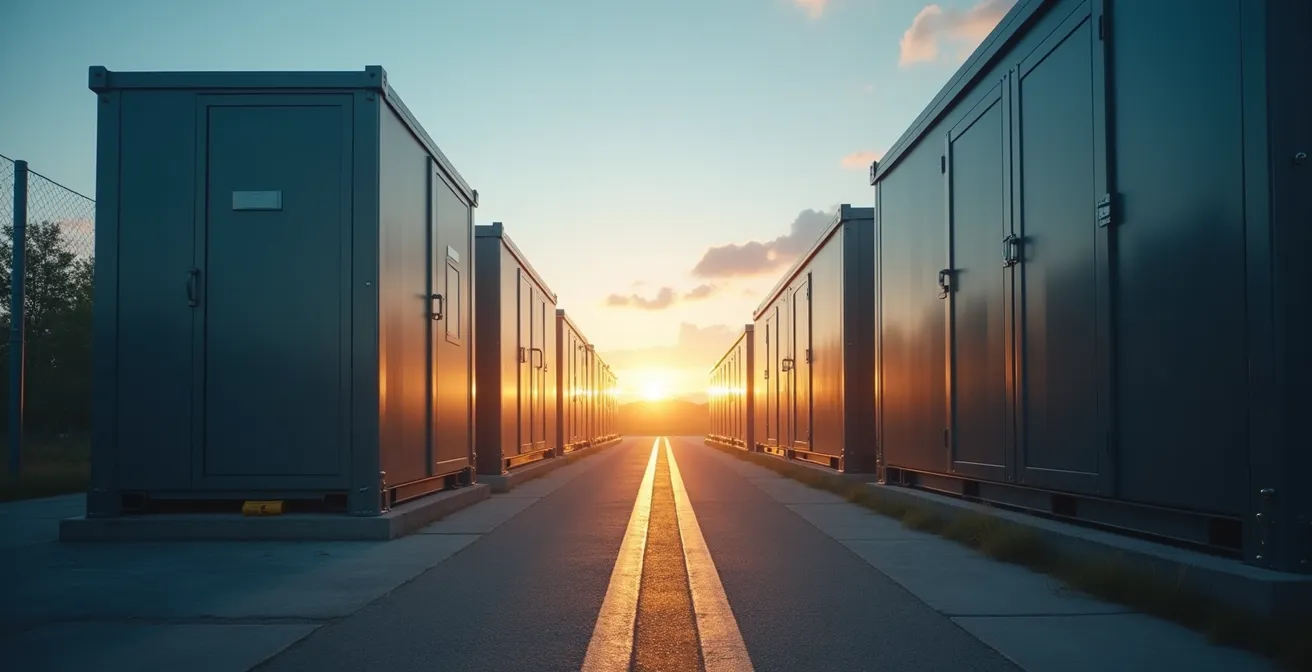
The transition from diesel generators to mobile battery energy storage systems represents more than an equipment upgrade—it challenges fundamental assumptions about reliability and cost-effectiveness in off-grid power. For decades, diesel generators have dominated backup and remote power applications based on a simple premise: mechanical simplicity equals dependability. Yet this conventional wisdom overlooks a critical economic reality that becomes apparent only when examining total ownership costs rather than initial purchase prices.
Organizations evaluating power solutions for remote sites, emergency backup, or temporary installations face a decision that extends far beyond comparing equipment specifications. The choice between traditional diesel generators and modern zero-emission mobile storage solutions requires analyzing operational expenses, environmental compliance costs, maintenance requirements, and performance reliability over multi-year deployment periods. Battery Energy Storage Systems (BESS) have evolved from experimental technology to proven alternatives that outperform diesel across nearly every metric that matters for long-term operations.
The economic equation shifts dramatically when factoring in lifecycle costs, regulatory pressures, and operational flexibility. While diesel generators present lower upfront capital requirements, the ongoing expenses of fuel procurement, emissions compliance, and mechanical maintenance create a cost trajectory that escalates throughout the equipment’s operational life. Meanwhile, advances in lithium-ion technology and intelligent energy management have transformed mobile battery systems into reliable, cost-effective solutions that deliver genuine energy independence without the environmental and logistical burdens of fossil fuel dependency.
Battery vs Diesel: The Essential Comparison
- Mobile battery storage systems reduce operating costs by 30-60% compared to diesel generators over 10-15 year periods through eliminated fuel expenses and minimal maintenance
- Battery systems deliver instantaneous power transitions with zero emissions, while diesel generators require startup time and produce significant carbon output
- BESS technology offers 20+ year lifespans versus typical 10-year diesel generator longevity, with fewer moving parts requiring service
- Energy storage enables strategic load management and peak shaving capabilities impossible with conventional generators
- Total cost of ownership favors battery systems despite higher initial capital investment when accounting for fuel, maintenance, and regulatory compliance expenses
Total Cost of Ownership Analysis
The financial comparison between mobile energy storage and diesel generators reveals a stark divergence between acquisition costs and lifetime expenses. Decision-makers focusing exclusively on purchase price overlook the operational realities that determine true cost-effectiveness. Diesel generators appear economical initially, but fuel consumption creates an ongoing expense that compounds over years of operation, while battery systems convert upfront investment into predictable, minimal operational costs.
Fuel expenses represent the most significant variable in diesel generator economics. Current energy market analysis demonstrates that battery storage systems achieve 30-60% lower operating costs over 10-15 year deployment periods compared to diesel alternatives. This advantage stems from eliminating fuel purchases entirely while leveraging time-of-use electricity rates to charge during off-peak periods. Organizations operating generators in remote locations face additional fuel transportation and storage costs that further disadvantage diesel economics.
| Energy Source | Cost per kWh | Daily Operation Cost (20kW) |
|---|---|---|
| Natural Gas | $0.25 | $120 |
| Diesel | $0.34 | $122 |
| Propane | $0.45 | $200+ |
| Gasoline | $0.73 | N/A |
These per-kilowatt-hour costs translate into substantial annual expenses for continuous or frequent operation. A facility requiring 20kW of backup power for just eight hours daily would incur over $35,000 in annual diesel fuel costs alone, before accounting for delivery charges, storage infrastructure, or price volatility. Battery systems charged from grid electricity during low-rate periods eliminate this recurring expense while providing identical power capacity.
Data Center Battery Storage Implementation by Google
Major technology companies have validated battery storage economics through large-scale deployments. Google announced implementation of large BESS to replace diesel generators at one of its data centers in Belgium, demonstrating enterprise confidence in battery reliability for mission-critical applications. This transition reflects calculated analysis of total ownership costs, operational flexibility, and sustainability commitments that increasingly influence corporate infrastructure decisions.
Beyond fuel savings, battery energy storage systems deliver additional economic advantages through operational flexibility and system longevity. The following factors contribute to superior BESS economics across typical deployment scenarios:
Key BESS Cost Advantages
- Fully charged battery systems handle complete power requirements, eliminating the need for diesel generators to operate at full capacity and delivering significant fuel savings for off-grid installations
- Extended equipment lifespan creates long-term value, as generators typically last around ten years compared to BESS units exceeding 20+ years of operational life
- Reduced maintenance expenses result from fewer moving parts and absence of combustion systems requiring regular service intervals
- Strategic electricity procurement through time-of-use rate optimization reduces charging costs during off-peak periods
The total cost equation becomes increasingly favorable for battery storage as deployment duration extends. While diesel generators may present lower five-year costs in limited-use scenarios, the 10-15 year analysis reveals substantial BESS advantages. Organizations planning permanent or long-term installations should weight lifecycle economics over initial capital requirements when evaluating power solutions.
Environmental Impact and Emissions
Regulatory pressures and corporate sustainability commitments have transformed environmental performance from a secondary consideration into a primary decision factor for power system selection. Diesel generators produce direct carbon emissions, particulate matter, and noise pollution that create compliance costs, operational restrictions, and reputational risks. Battery energy storage systems eliminate on-site emissions entirely while enabling integration with renewable energy sources to achieve genuine carbon neutrality.
The emissions profile of diesel generators extends beyond carbon dioxide to include nitrogen oxides, particulate matter, and unburned hydrocarbons that trigger air quality regulations in many jurisdictions. Urban and suburban locations increasingly restrict diesel generator operation through noise ordinances and emissions limits that constrain backup power availability precisely when organizations need it most. These regulatory trends align with broader clean technology advances driving industrial decarbonization across multiple sectors.
Mobile battery storage systems produce zero direct emissions during operation, shifting environmental impact to the electricity generation source used for charging. This characteristic enables organizations to align backup power with renewable energy procurement strategies, charging batteries from solar, wind, or grid electricity during periods of high renewable generation. The lifecycle environmental analysis must account for battery manufacturing impacts, but operational emissions advantages remain substantial throughout multi-decade service life.

Modern lithium battery technologies have dramatically improved energy density and cycle life while reducing manufacturing environmental impact through materials optimization and recycling programs. Leading manufacturers now offer battery systems with 80% capacity retention after 5,000+ charge cycles, ensuring performance remains viable throughout extended deployment periods. End-of-life recycling programs recover valuable materials including lithium, cobalt, and nickel for reprocessing into new battery production, creating circular economy models that further reduce lifecycle environmental footprint.
Organizations operating diesel generators in emission-controlled zones face escalating compliance costs as regulations tighten. Some jurisdictions now require diesel particulate filters, selective catalytic reduction systems, or low-sulfur fuel specifications that increase both equipment costs and operational complexity. Battery systems bypass these requirements entirely while providing immediate compliance with zero-emission mandates that many municipalities have adopted for 2030-2040 implementation.
The noise pollution differential between technologies creates additional operational advantages for battery storage. Diesel generators produce 70-100 decibels during operation, creating disturbances that restrict deployment in residential areas, healthcare facilities, and noise-sensitive environments. Battery systems operate silently, enabling installation in locations where diesel generators would violate noise ordinances or create stakeholder conflicts. This operational flexibility expands application possibilities for organizations requiring backup power in urban settings.
Performance and Reliability During Outages
The reliability paradox challenging conventional assumptions about backup power emerges when examining actual performance during grid outages and emergency scenarios. Diesel generators rely on mechanical systems—starter motors, fuel pumps, combustion engines—that introduce multiple failure points requiring regular testing and maintenance to ensure readiness. Battery energy storage systems eliminate mechanical complexity through solid-state technology that delivers instantaneous power transitions without the startup delays, maintenance requirements, or failure modes inherent to combustion engines.
Power transition speed represents a critical performance differentiator for applications requiring uninterrupted electricity supply. Battery systems provide instantaneous response measured in milliseconds, seamlessly bridging grid interruptions before connected equipment detects any voltage variation. Diesel generators require 10-30 seconds to start, reach operating temperature, and assume full load—an eternity for data centers, medical facilities, or industrial processes where even momentary interruptions cause equipment damage or data loss.
Modern BESS technology incorporates intelligent load management capabilities that optimize power delivery based on real-time demand and available capacity. These systems can prioritize critical loads during extended outages, gradually shedding non-essential consumption to maximize runtime for vital equipment. Organizations seeking to apply reduce fuel consumption tips to their broader operations find similar efficiency principles in battery storage systems that minimize energy waste through precise power management.
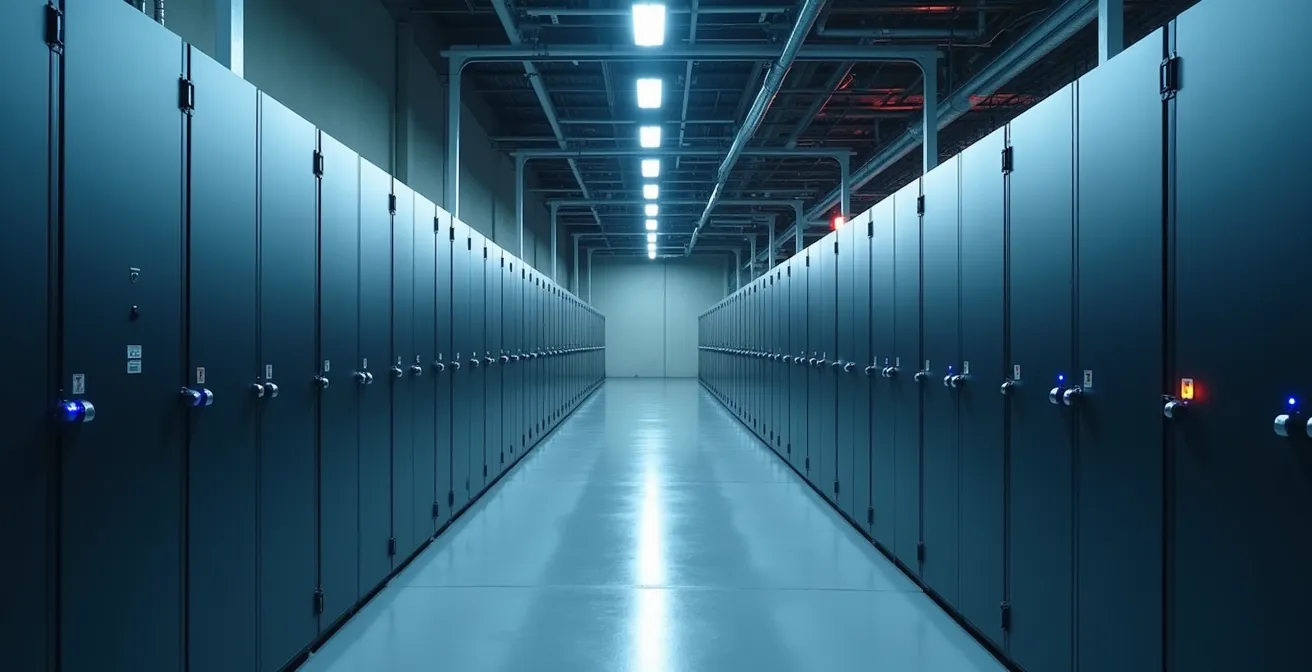
The absence of combustion processes eliminates cold-start failures that plague diesel generators in extreme weather conditions. Generators stationed in cold climates require block heaters, battery warmers, and fuel conditioning systems to ensure reliable starting during winter emergencies—precisely when backup power becomes most critical. Battery systems maintain operational readiness across temperature ranges with minimal conditioning, providing dependable performance regardless of ambient conditions or storage duration.
Hybrid configurations combining battery storage with diesel generators deliver optimal reliability for extended outage scenarios. The battery system provides instantaneous power during the generator startup sequence, then continues supporting load management and peak shaving once the diesel unit reaches operating status. This architecture eliminates the critical vulnerability period during generator startup while enabling smaller, more efficient diesel units that operate at optimal load factors rather than oversized capacities.
Testing and verification procedures further differentiate battery reliability from diesel generator uncertainty. BESS units enable non-disruptive testing through partial discharge cycles that validate system readiness without taking equipment offline or consuming fuel. Diesel generators require full-load testing that consumes fuel, produces emissions, and creates noise disturbances—factors that discourage regular verification and allow degraded readiness to persist undetected until actual emergency deployment reveals failures.
Key Takeaways
- Lifecycle cost analysis reveals battery storage systems deliver 30-60% savings over diesel generators despite higher initial investment
- Zero-emission operation eliminates regulatory compliance costs and enables deployment in environmentally restricted zones
- Instantaneous power transition provides superior reliability compared to diesel startup delays and mechanical failure points
- Extended 20+ year lifespan and minimal maintenance requirements reduce long-term operational expenses
- Intelligent energy management enables load optimization and renewable integration impossible with conventional generators
Maintenance Requirements and Longevity
Maintenance burden represents a hidden cost factor that significantly impacts total ownership economics and operational availability. Diesel generators demand regular service intervals including oil changes, filter replacements, fuel system maintenance, and periodic component overhauls that consume both direct maintenance budgets and indirect costs through equipment downtime and service coordination. Battery energy storage systems require minimal maintenance—primarily periodic inspections and battery management system updates—that reduce both scheduled service expenses and unplanned failure risks.
The mechanical complexity of diesel engines creates numerous wear components requiring replacement throughout operational life. Fuel injectors, starter motors, alternators, cooling systems, and exhaust components all degrade through normal operation, necessitating scheduled replacements that increase with equipment age. Each service interval introduces downtime risk and coordination costs, particularly for remote installations where technician access requires travel and logistics planning. Organizations operating multiple generators across distributed sites face substantial maintenance management overhead.
Battery system longevity exceeds diesel generator lifespan by substantial margins, fundamentally altering replacement cycle economics. Modern lithium iron phosphate and lithium-ion systems maintain 80% capacity after 5,000-10,000 charge cycles depending on depth of discharge and operating conditions. This translates to 15-20 years of operational life in typical backup power applications, compared to 10,000-15,000 hour diesel generator lifespans that equate to 8-12 years under moderate use patterns. The extended replacement cycle reduces capital expenditure frequency and avoids the disposal and installation costs associated with equipment turnover.
Battery management systems incorporate sophisticated monitoring that tracks cell-level performance, predicts degradation patterns, and alerts operators to potential issues before failures occur. This predictive maintenance capability enables proactive intervention rather than reactive emergency repairs, improving overall system availability. Diesel generators lack comparable diagnostic sophistication, relying on periodic testing and component inspection to assess readiness—methodologies that may fail to detect degraded performance until actual deployment under load conditions.
The absence of consumable fluids eliminates recurring expenses and environmental management requirements. Diesel generators consume engine oil, coolant, and fuel filters that require regular replacement and proper disposal through hazardous waste channels. Battery systems eliminate these recurring purchases and disposal costs while avoiding the environmental liabilities associated with petroleum product handling and storage. Organizations operating in environmentally sensitive areas particularly value the elimination of spill risks and contamination potential.
Capacity degradation follows predictable patterns in battery systems, enabling accurate end-of-life planning and budgeting. Manufacturers provide detailed degradation curves showing expected capacity retention over time and cycle counts, allowing organizations to model replacement timing and budget accordingly. Diesel generators experience more variable degradation depending on maintenance quality, operating conditions, and usage patterns, creating uncertainty in replacement planning and potential for unexpected failures requiring emergency procurement.
Frequently Asked Questions on Clean Energy Storage
What is the optimal storage charge level for batteries during long-term standby periods?
If storing batteries long-term, maintain charge levels at approximately 40-60% to preserve battery health and maximize lifespan. Fully charged or fully discharged batteries experience accelerated degradation when left unused for extended periods. This partial charge state minimizes stress on battery chemistry while ensuring sufficient capacity for immediate deployment when needed.
How do battery storage systems handle peak demand periods compared to diesel generators?
Battery energy storage systems excel at peak shaving through intelligent load management that draws stored energy during high-demand periods, reducing grid consumption and demand charges. Diesel generators operate at fixed output levels and cannot dynamically adjust to demand fluctuations without starting and stopping, which accelerates wear and reduces efficiency. BESS technology enables precise power delivery matching real-time requirements.
Can mobile battery storage integrate with existing renewable energy installations?
Modern battery systems seamlessly integrate with solar, wind, and other renewable sources to capture excess generation for later use, maximizing renewable energy utilization and reducing grid dependency. This integration enables time-shifting of renewable energy from production periods to consumption periods, addressing the intermittency challenges that limit renewable adoption. Diesel generators cannot provide this storage capability and actually compete with renewable sources rather than complementing them.
What happens to battery performance in extreme temperature conditions?
Contemporary battery energy storage systems incorporate thermal management technology that maintains optimal operating temperatures across wide ambient ranges, typically from -20°C to 50°C. Advanced systems use active heating and cooling to protect battery chemistry and preserve performance, unlike diesel generators that experience significant cold-start challenges and require extensive winterization in harsh climates. Battery systems maintain consistent readiness regardless of seasonal temperature variations.